Subbottom & Marine Seismic Survey
Kordil provides sub-bottom profiling and marine seismic surveys for engineering design, sediment mapping and buried infrastructure investigations. Our experience covers coastal waters, dams and lakes. We select parametric, CHIRP, pinger, boomer and sparker systems to suit each project.
- Marine geophysics and archaeology
- Buried cable and pipeline detection
- Burial depth and sediment thickness
- Geological layers and borehole correlation
- Construction, dredging and route surveys
- Subsurface obstructions and potential geohazards
We combine sub-bottom profiles with bathymetry, precise positioning and available borehole or core records to interpret sediment layers and buried features. Results can include georeferenced profiles, sediment-thickness maps and burial-depth estimates where targets are resolved. These deliverables support route planning, construction design and dredging assessments. Share your project location, survey area and objectives so we can recommend a suitable survey scope.
Subbottom Survey
Kordil performs geophysical surveys for engineering purposes prior to structural design, sediment analysis, dredging, and underwater installations using high resolution seismic instruments. The accuracy of information that we developed so far has been verified as tenth of borings and correlated with seismic data. Over the years gained experience in various fields and projects, and self confidence that we are able to provide reliable and accurate information from not only subsea, tenth of meters below the seabed using non destructive geophysical measurements.
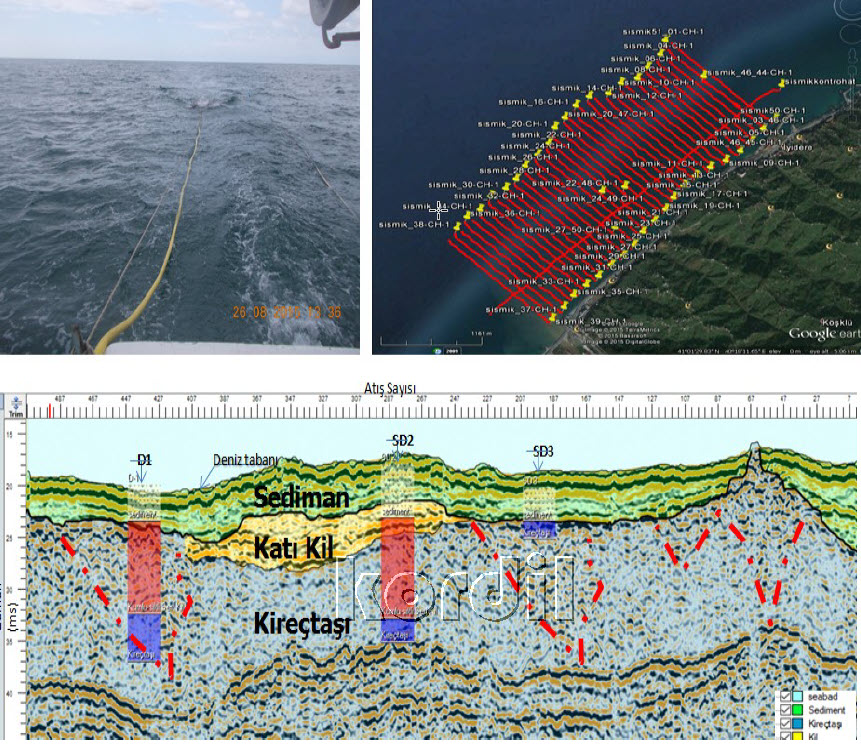
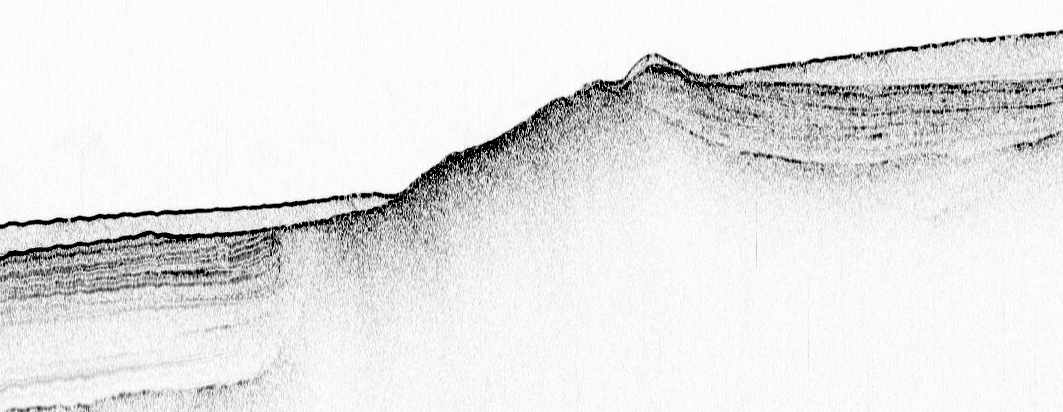
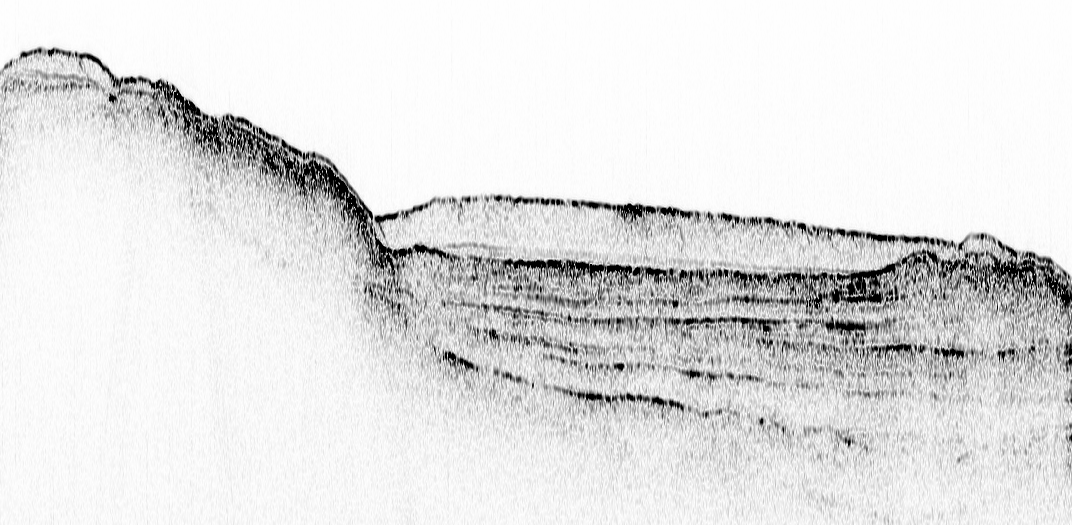
Kordil also over standardized presentation of geophysical data collected from subbottom, using best mapping and GIS capabilities and adopted them to presentation of geophysical data which was the weak point of geophysical companies. We do not give only an echogram, we give a full dataset of strata in 3D form, which can be used as real engineering data. There is an example profile given in the right image gallery.
Kordil also performed several projects for:
- Length of sheet piling to be driven
- Volume of seabed to be dredged with different dredgers
- Difficulty level of dredging
- Identification of buried structures or objects below the seabed
- Pipeline and cable line safety crossing
- Stability of seabed foundations
- Thickness of dirty mud to be cleaned and packed
- Thickness of sedimentation for life assessment
- Characteristics of strata layers
- Locations of geological borings as per layer boundaries
Cable, Pipeline & Buried Infrastructure Detection
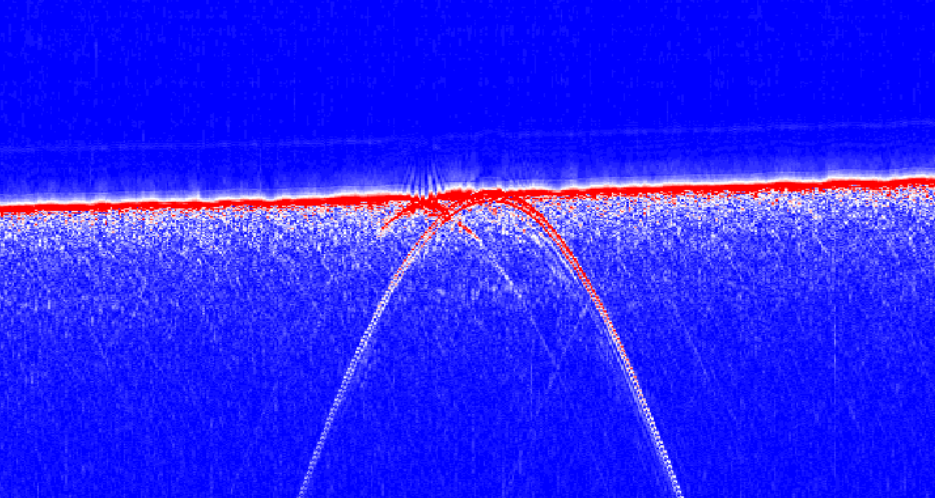
Kordil investigates buried cables, pipelines, former structures and other subsurface features using parametric and CHIRP sub-bottom profilers, together with marine seismic instruments selected for the project. These complementary methods provide high-resolution imaging of shallow features and deeper sediment layers, supporting cable and pipeline detection, route surveys and crossing assessments.
Instrument selection balances target size, expected burial depth, sediment conditions and the required resolution. Parametric profilers use narrow acoustic beams for detailed shallow investigations; CHIRP systems combine resolution and sediment penetration, while marine seismic instruments extend the geological investigation where required. Detection and burial-depth estimates depend on the target response and data quality.
Survey interpretation combines sub-bottom data with multibeam bathymetry, side-scan sonar, magnetic measurements and available asset records as appropriate. GNSS and underwater positioning tie observations to a common coordinate system, supporting route planning, crossing assessments and subsequent target relocation.
Kordil Subbottom Processing software supports reflector interpretation and burial-depth assessment where the seabed and target response are resolved. Deliverables can include interpreted profiles, crossing locations, estimated sediment cover and a target register. Acoustic responses require interpretation: achievable penetration and detection depend on sediment conditions, target properties, frequency and data quality.
Marine Geophysical Studies Before Construction
Before the design and construction of ports, harbours, jetties, breakwaters and offshore installations, geophysical surveys help establish the distribution of sediment layers and potential subsurface obstructions. Interpreted horizons and geological boundaries guide the selection of borehole locations and support assessments of foundation levels, piling and route alternatives.
Sub-bottom profiling and, where required, ultra-high-resolution seismic measurements are integrated with seabed mapping and geotechnical information. Boreholes, cores and laboratory results help relate acoustic reflectors to actual ground materials. This combined dataset supports engineering decisions without treating an acoustic interpretation as a substitute for geotechnical testing.
The survey can highlight variable sediment thickness, possible buried channels, hard reflectors and acoustic features requiring further investigation. Georeferenced sections and three-dimensional interpreted surfaces provide a practical basis for design review, construction planning and targeted follow-up.
Sub-bottom Surveys Before Dredging
Pre-dredging investigations map the existing seabed and the underlying horizons relevant to the proposed dredge level. Correlating bathymetry with sub-bottom profiles helps estimate sediment thickness and, where the interpretation is sufficiently constrained, volumes between the seabed, sediment boundaries and design surfaces.
These studies support port deepening, approach-channel works, reclamation and maintenance dredging. They help locate buried infrastructure and potential obstructions, identify changes in the material to be removed and focus sampling where ground conditions vary. Material properties, contamination and dredgeability require appropriate sampling and geotechnical or laboratory assessment.
Results can be delivered as thickness maps, interpreted sections, three-dimensional surfaces and schedules of targets or crossings. Repeat bathymetric surveys document changes in seabed level after dredging; repeat sub-bottom measurements can investigate remaining sediment cover or subsurface features where required.
Measurement of Sediment Thickness
Kordil has extensive experience in measuring sediment thickness of dams and river transports. We believe Kordil is the only experienced company that performed surveys over 25 lakes and dams. Also regularly following up sedimentation of a few hydropower projects, supported with bathymetry.
Sediment thickness once measured, future tracking can be tracked with changes in seabed, riverbed or lakebed elevations. So that reason, properly measuring of sediment thickness is very important for the future to have reliable data to asses life of a dam or a project.
We have several happy customers that rely on our data. One of the surveys we performed was verified by Client by making boring with a grid of 100 meters over 1200 hectares area that we covered, during winter over the frozen lake. The thickness of sediment we computed was perfectly matching with the boring data with some centimeter discrepancy (This project was for Alarko, name of the lake is Taldykol, Astana, Kazakhstan, references available upon request).
Geohazard Survey of Oil & Gas and Offshore Installations
Researching the presence of pressurized and explosive gases near boring locations before oil & gas rigs start drilling through. Kordil is capable of carrying out surveys at shallow waters starting near 150 meters down to shore, by utilizing several other surveying equipment together with UHRS and CHIRP subbottom profilers.
Kordil also provides services for breakwaters, barriers and similar heavy backfill areas for stability and engineering design. Prior to installing offshore platforms on the seabed, Kordil is capable of performing subbottom research against stability and settlement.
Sub-bottom Profiling & Marine Seismic Systems
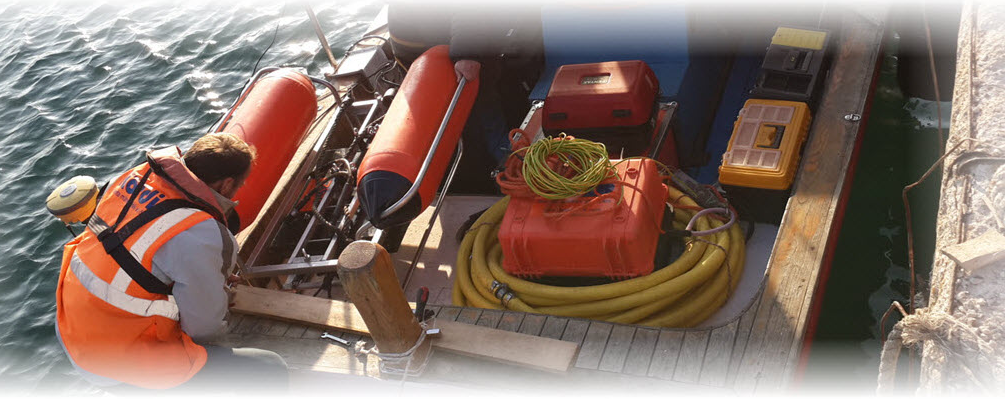
Survey systems are selected to suit the required resolution, sediment conditions, water depth and investigation depth. Parametric and CHIRP profilers provide detailed sub-bottom images, while boomer and sparker sources with seismic receivers extend the geological investigation. These methods support buried infrastructure surveys, sediment mapping and site investigations before construction and dredging.
Innomar parametric profilers
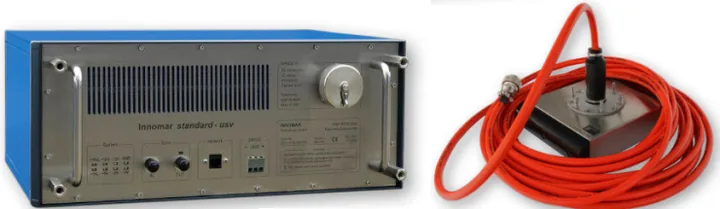
Narrow-beam parametric profiling for sediment layers, buried infrastructure and geological boundaries. Configurations suit different water depths and survey requirements, supporting route planning, dredging and construction investigations.
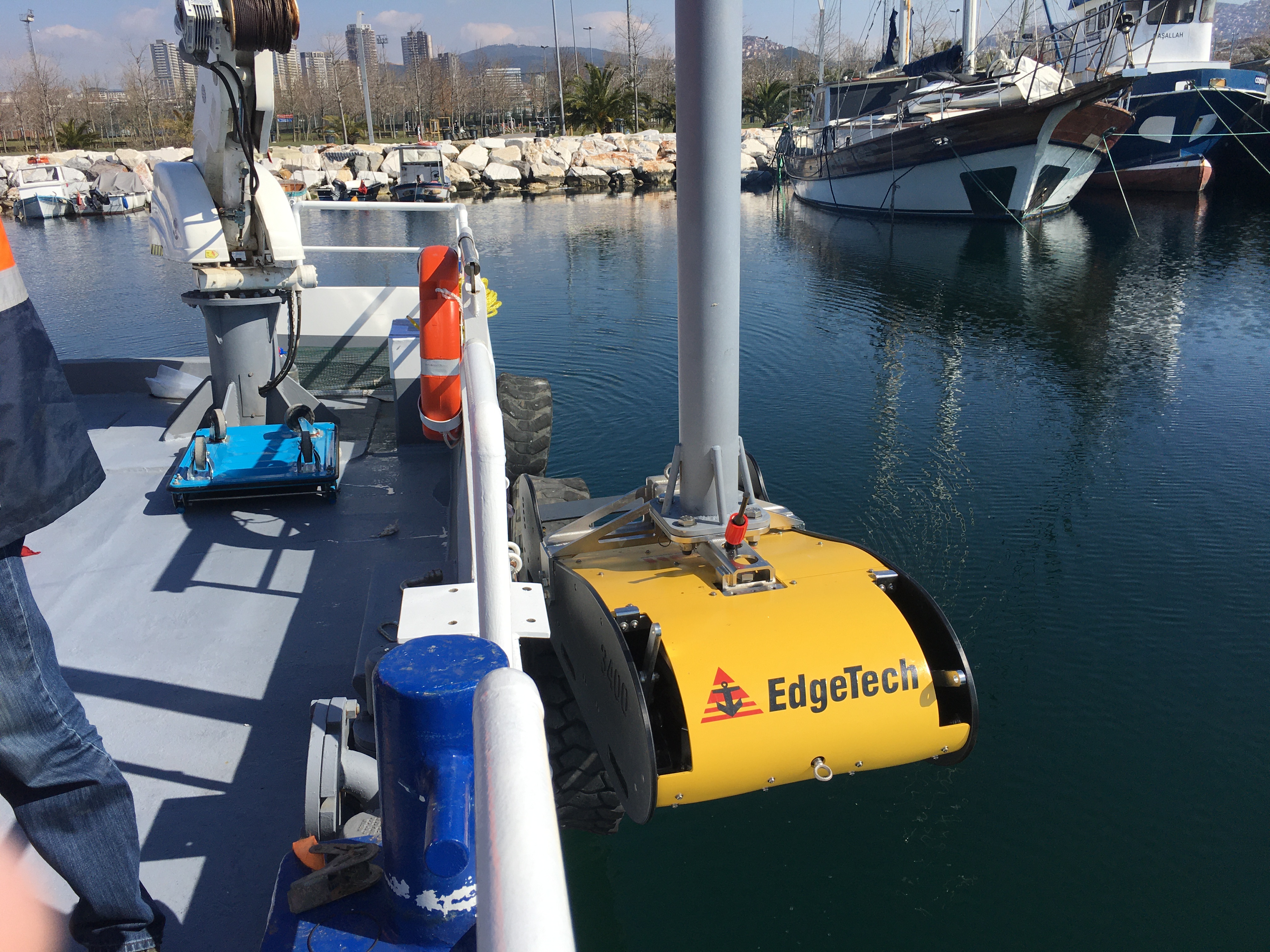
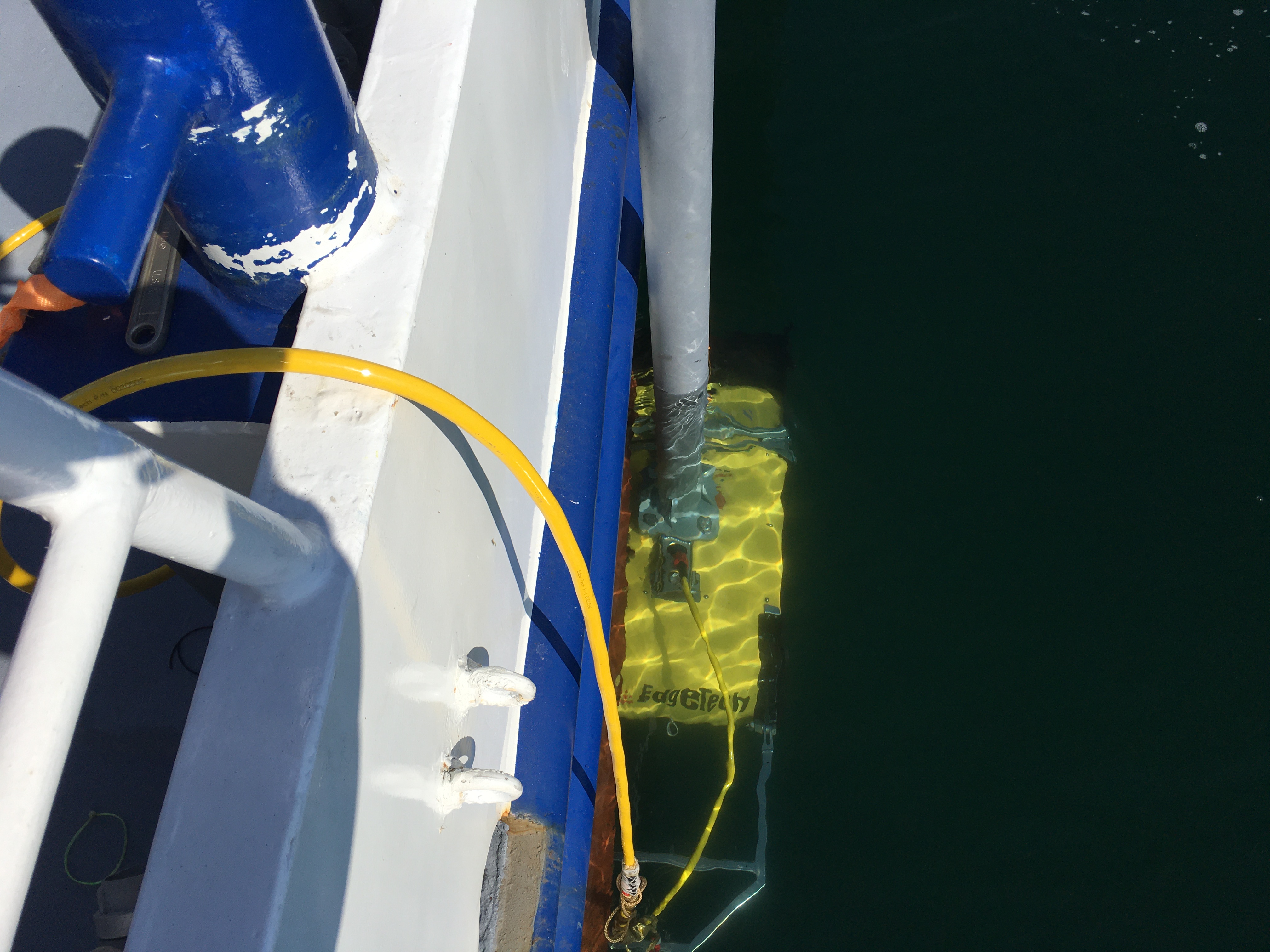
EdgeTech CHIRP profilers
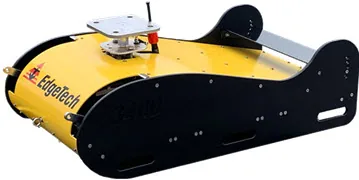
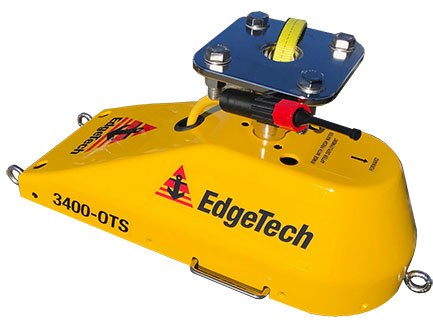
Full Spectrum CHIRP systems for sediment imaging, buried cable and pipeline investigations, and dredging surveys. Portable and pole-mounted configurations support surveys in coastal waters, lakes and rivers.
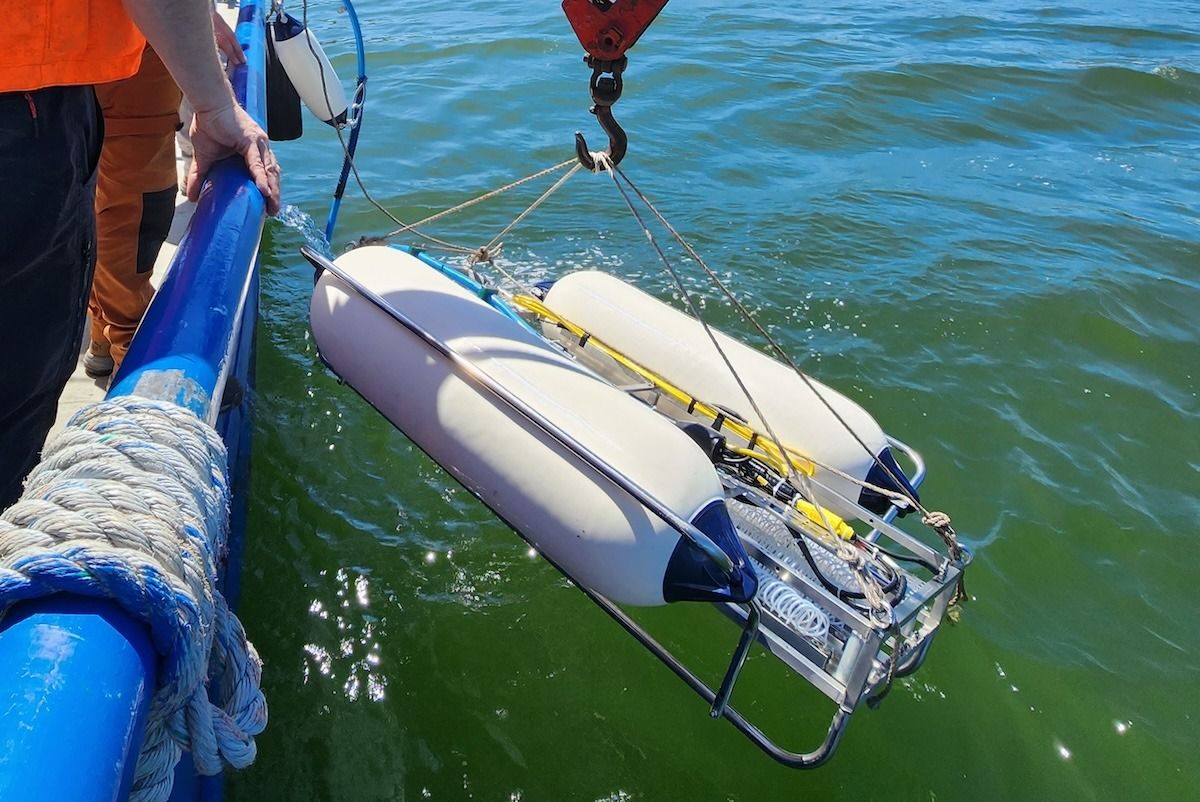
Applied Acoustics UHRS
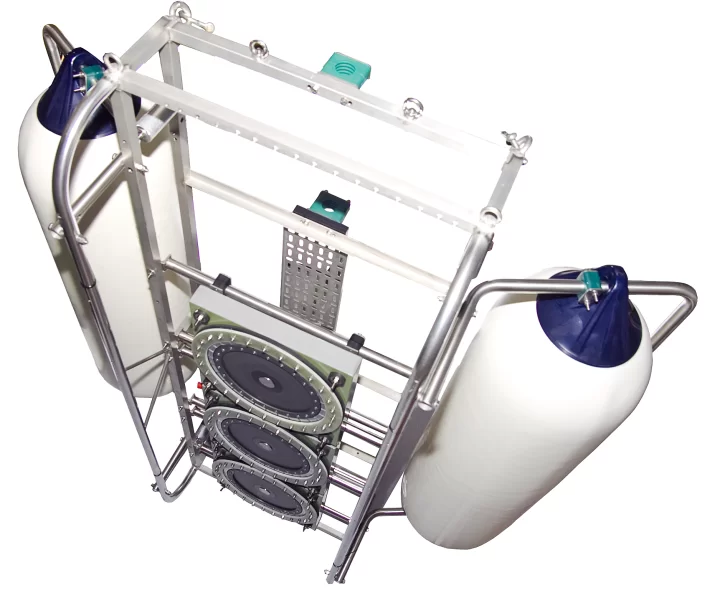
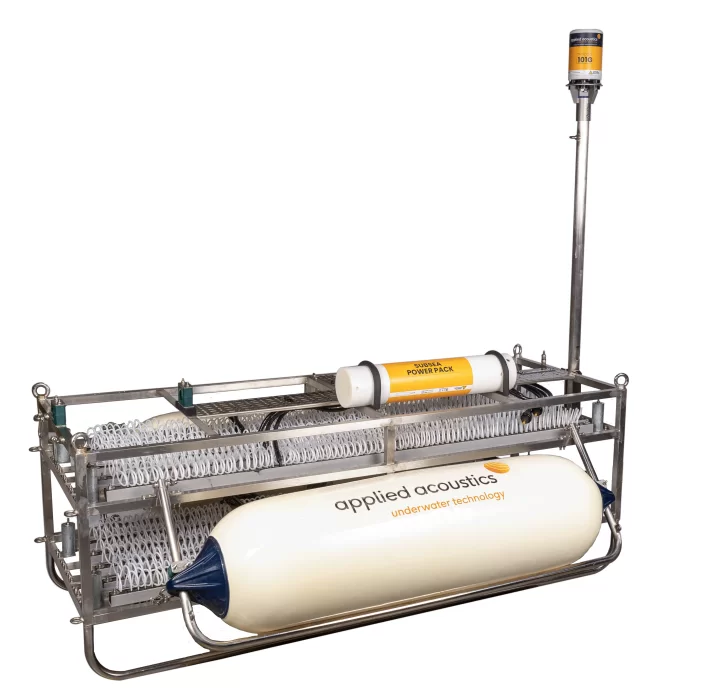
S-Boom and Dura-Spark UHD sources support ultra-high-resolution geological surveys. HydraSeis adds multichannel acquisition for 2D and 3D investigations, supporting offshore construction, route planning and sediment mapping.
Acoustic profiles and seismic sections are interpreted alongside bathymetry, positioning data and available borehole or core records. Cable and pipeline responses, sediment cover and geological boundaries are assessed together; achievable penetration and target detection depend on ground conditions, source configuration and data quality.