Magnetometer
Offshore Magnetometer Surveys
Kordil carries out marine magnetometry surveys to locate ferrous objects on or beneath the seabed. Applications include pipeline and cable route investigations, wreck searches and marine UXO investigations.
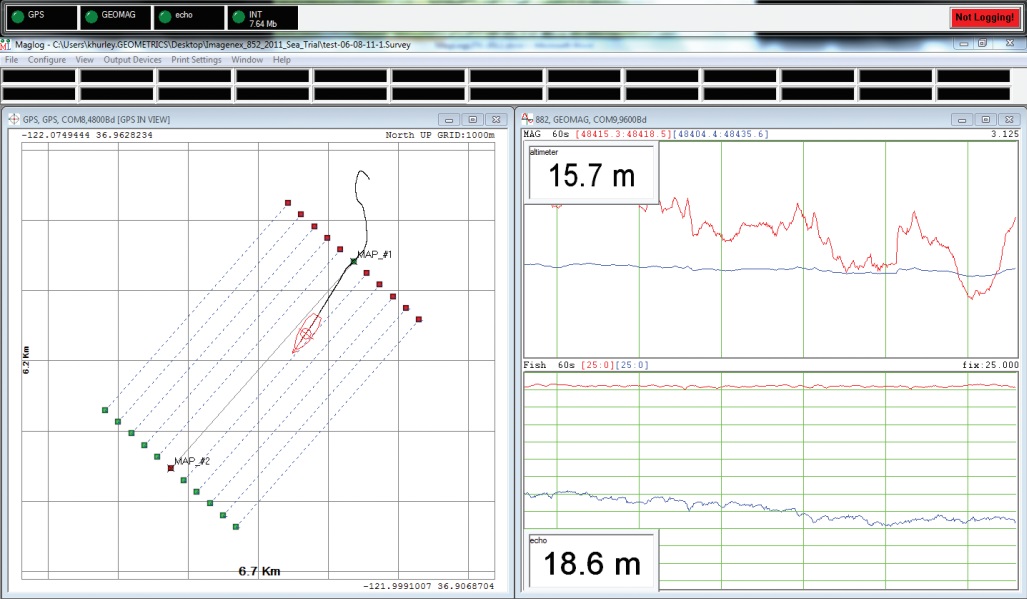
We combine high-resolution cesium magnetometer measurements with GNSS positioning, process the survey data and map magnetic anomalies. Technical reports identify targets for further investigation and, where the data supports it, provide estimates of target depth and approximate size.
Detectability depends on the target material and size, burial depth, sensor distance and survey conditions. We plan survey lines and sensor deployment around the requirements of each project.
Request a magnetometer survey quotation. Share the site location, survey area, water depth and target type with our team.
Surveying with a Marine Magnetometer
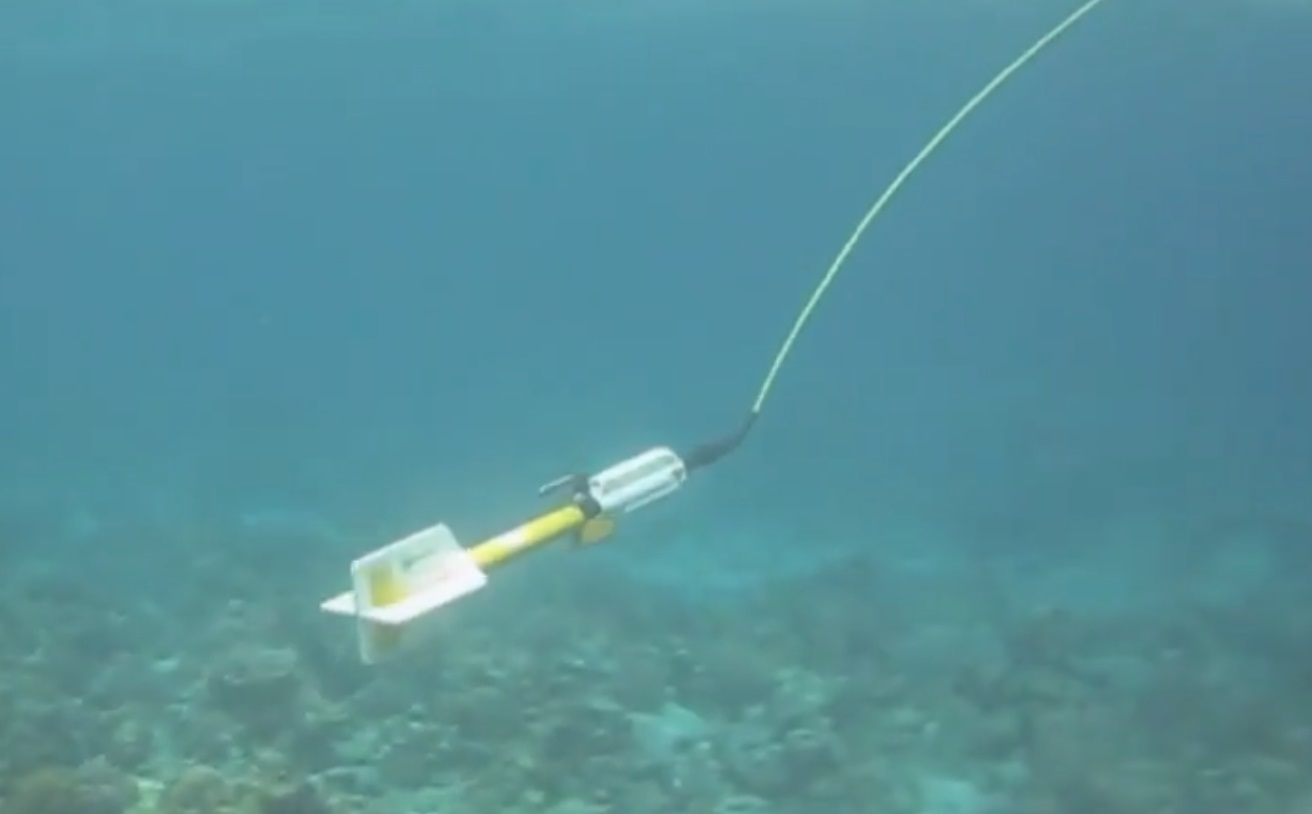
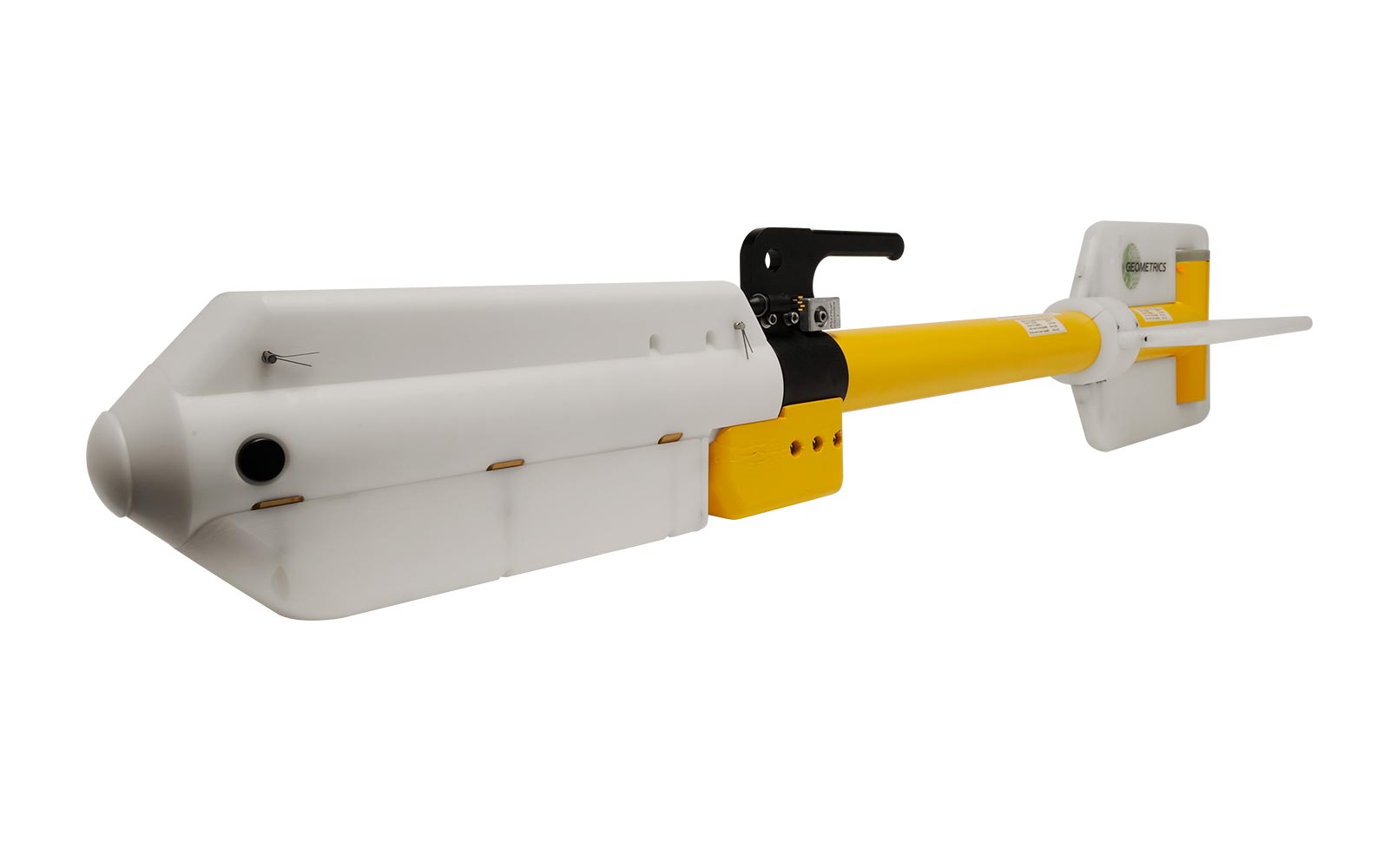
Kordil uses a compact cesium marine magnetometer for surveys in shallow and deep water. Sensor deployment, towing configuration and ballast are selected for the water depth and operating conditions.
A magnetometer is a passive sensor: it measures changes in the magnetic field rather than transmitting an acoustic signal. The sensor is positioned near the survey targets where practical. Detection of small or buried ferrous objects depends on target characteristics, sensor distance and survey conditions; a specific target size cannot be guaranteed for every site.
Pipeline and Cable Route Investigations
We investigate pipelines, power cables and marine outfall routes to locate ferrous infrastructure and identify existing crossings. The survey method is selected for the target material and burial conditions. Magnetic measurements can be combined with acoustic survey data where appropriate.
Shipwreck and Aircraft Wreck Searches
Marine magnetic surveys help locate ferrous components of shipwrecks and aircraft wreckage. We map magnetic anomalies across the search area and identify targets for further acoustic or visual investigation.
Route Obstruction Surveys
We survey proposed pipeline and cable routes for ferrous objects on or beneath the seabed that could affect installation. Magnetometry complements multibeam, side scan sonar and sub-bottom profiling by identifying magnetic anomalies that may be associated with buried anchors or other ferrous objects.
Survey findings guide further investigation. Magnetic detection alone does not confirm an object’s identity or certify that a route is clear of every hazard.
Marine UXO Investigations
Marine magnetometry can identify anomalies associated with ferrous objects, including possible unexploded ordnance. We plan surveys around the site history and project requirements, and combine magnetic and acoustic findings where appropriate.
A magnetic anomaly alone does not identify UXO or establish that an area is safe. Findings require assessment and, where appropriate, specialist target verification. Explore our marine UXO survey service.
Locating Lost Ferrous Objects
We investigate lost equipment, tools, anchors and chains containing ferrous material. Share the object’s material, dimensions, last known position and water depth so our team can assess a suitable search approach.
Geological and Environmental Investigations
Magnetic surveys can support the interpretation of geological variations across a survey area. We assess magnetic anomalies alongside available bathymetric and geological information to provide context for further investigation.