Photogrammetry Engineering
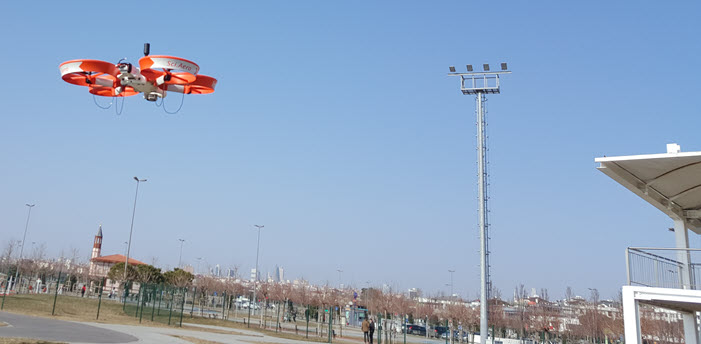
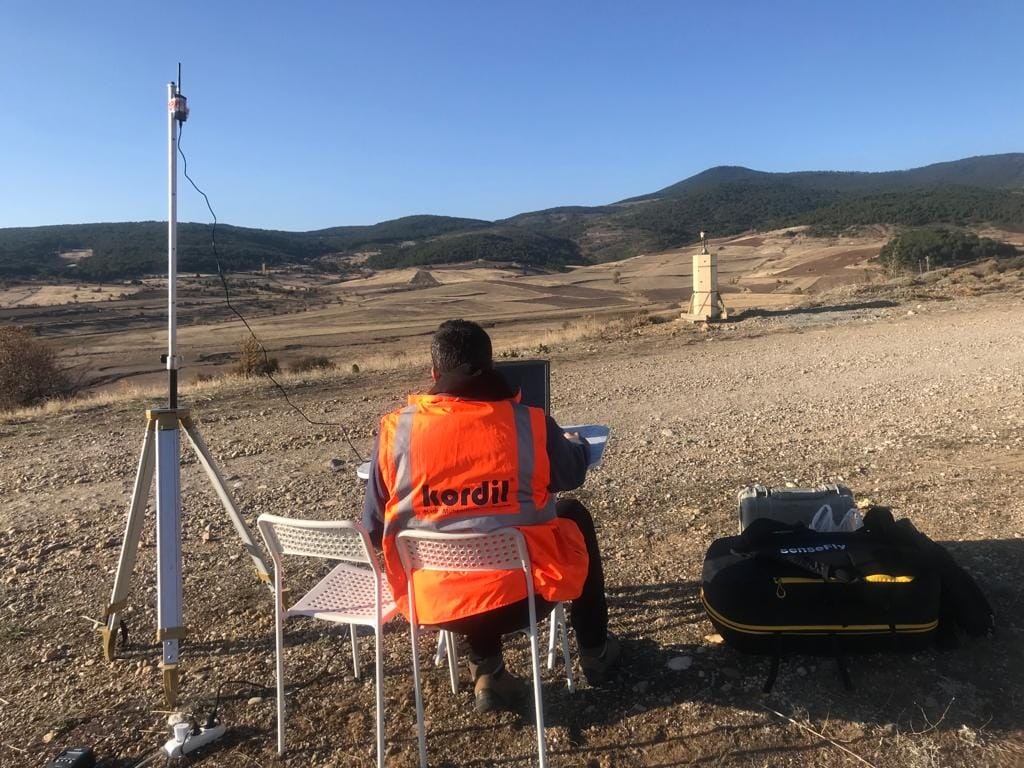
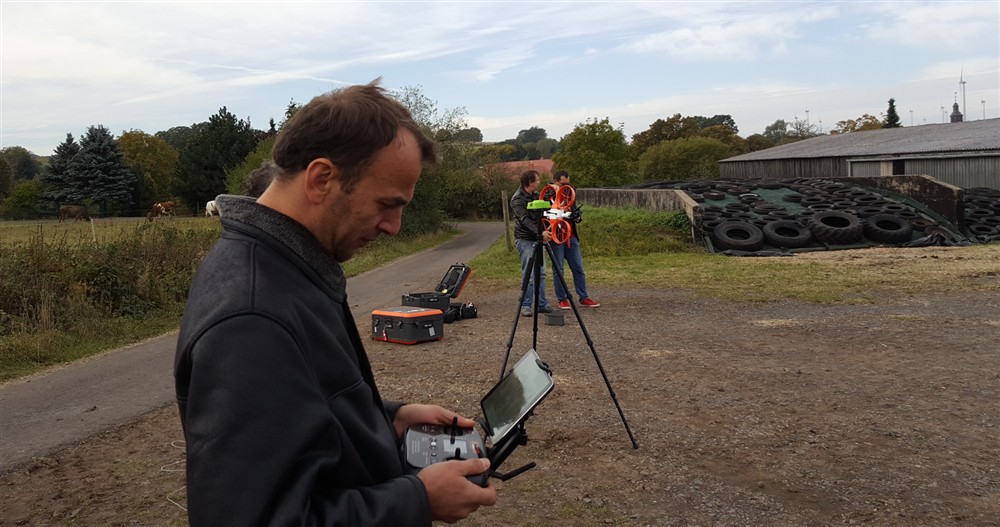
Kordil provides UAV / drone photogrammetry, photogrammetric mapping and orthophoto production, from field surveys to data processing. We combine aerial and terrestrial photographs with survey measurements to produce maps and three-dimensional models of terrain, structures and objects.
Drawing on experience from conventional aerial photogrammetry to current drone applications, we select methods to suit the survey area, required accuracy and deliverables. To discuss your project, contact our team.
Photogrammetry Services
Kordil applies photogrammetry at different scales, from small objects to extensive areas of terrain. We plan image capture, ground control surveys and data processing together to produce maps and models suited to each project.
- UAV / drone photogrammetry and corridor mapping
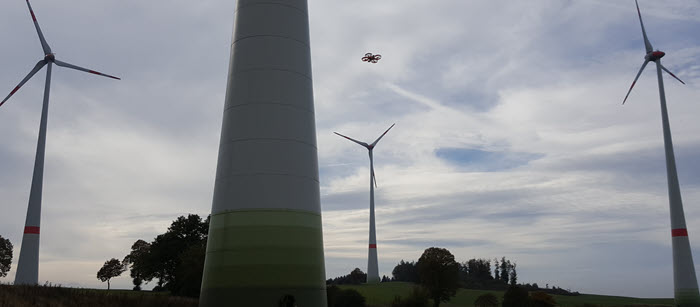
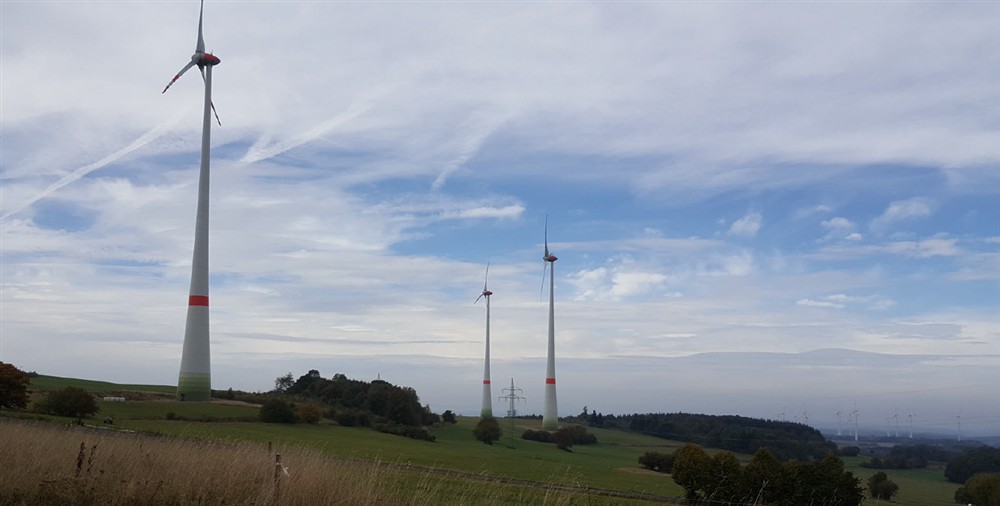
- 3D modelling of buildings, wind turbines, cliffs and historic structures
- Point clouds, orthophotos, topographic plans and digital terrain models
- Photogrammetric mapping, flight planning, aerial photography and aerial triangulation
- Deformation analysis and existing-condition documentation
- Street and object modelling, and as-built records
- Micro photogrammetry for small objects and biological specimens
UAV / Drone Photogrammetry
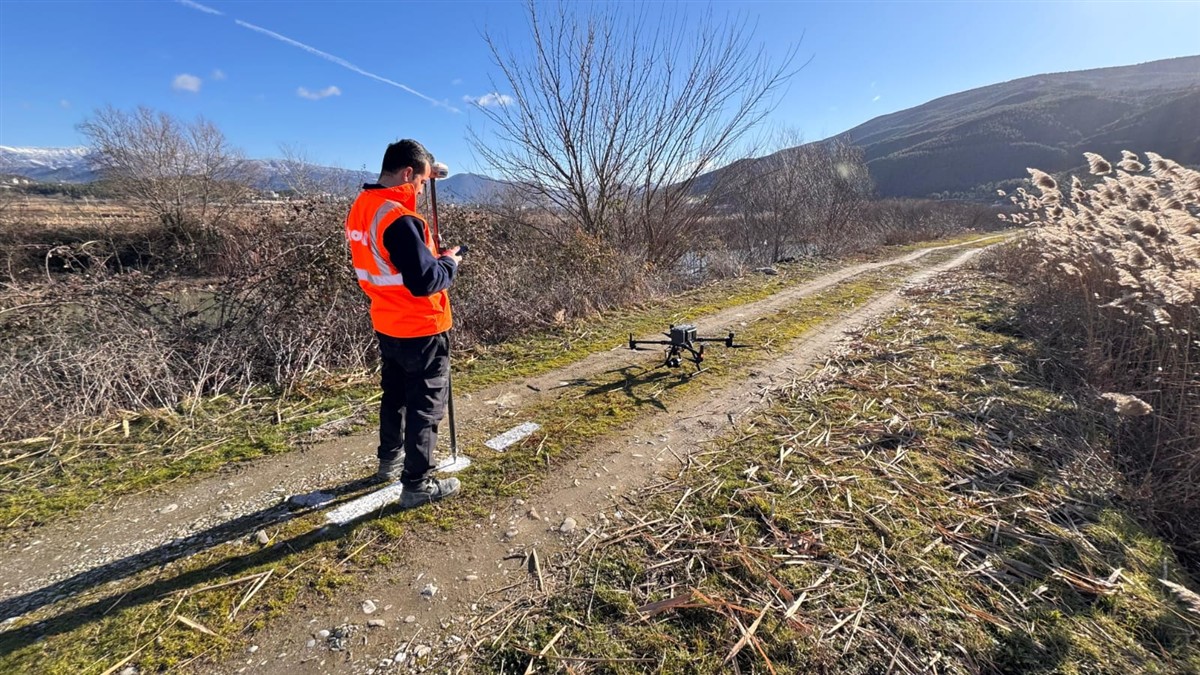
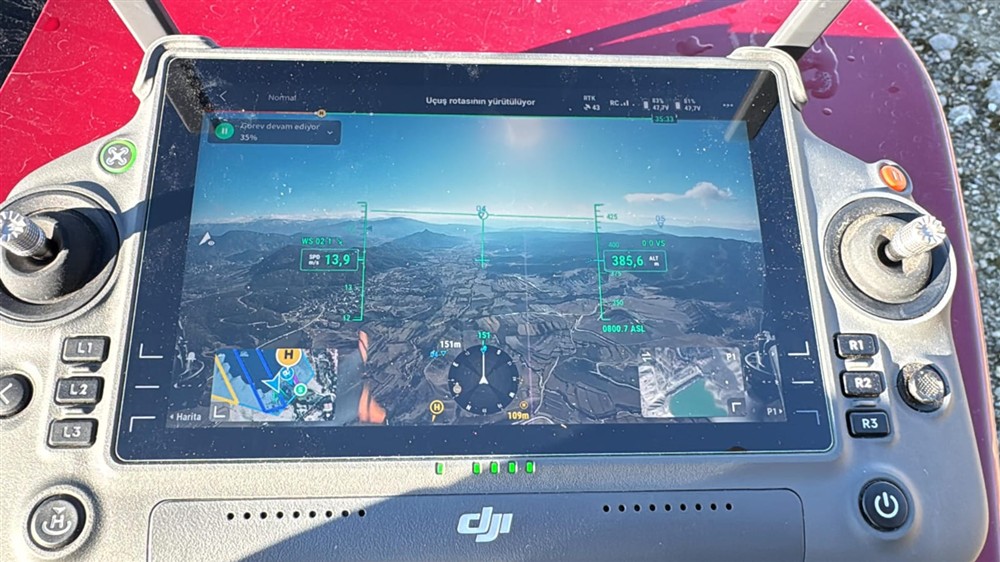
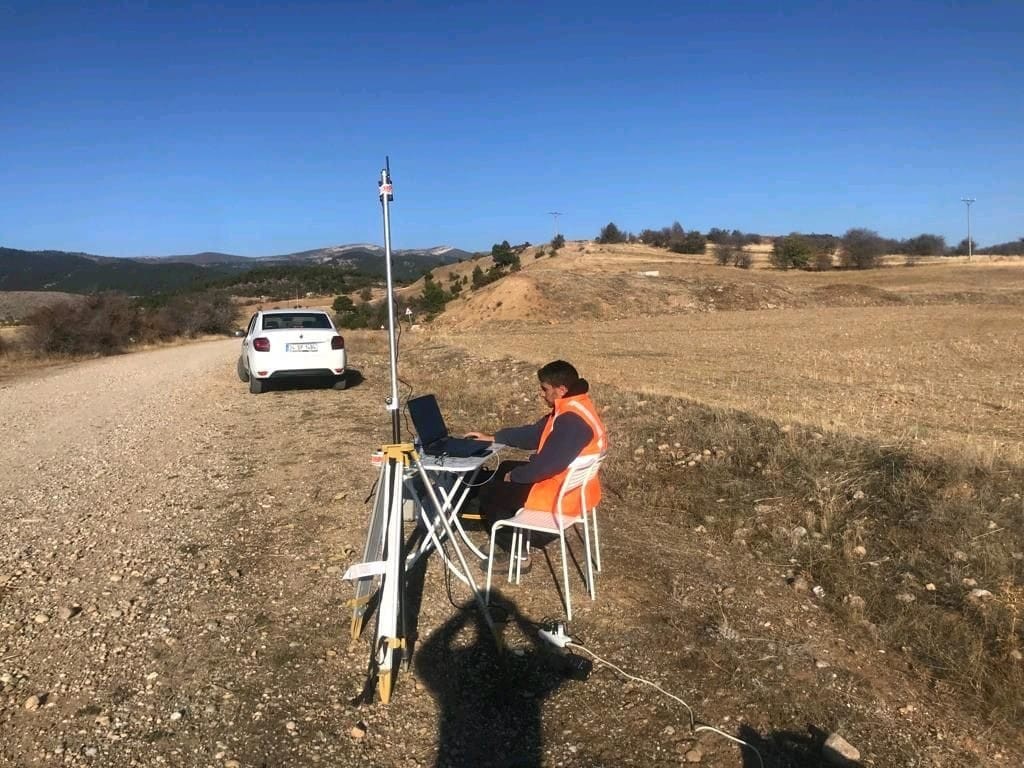
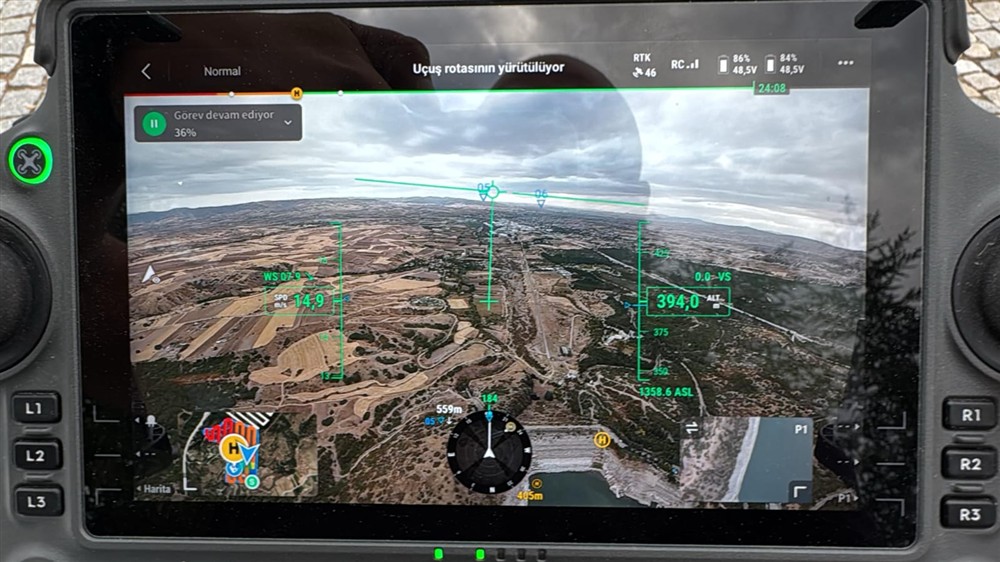
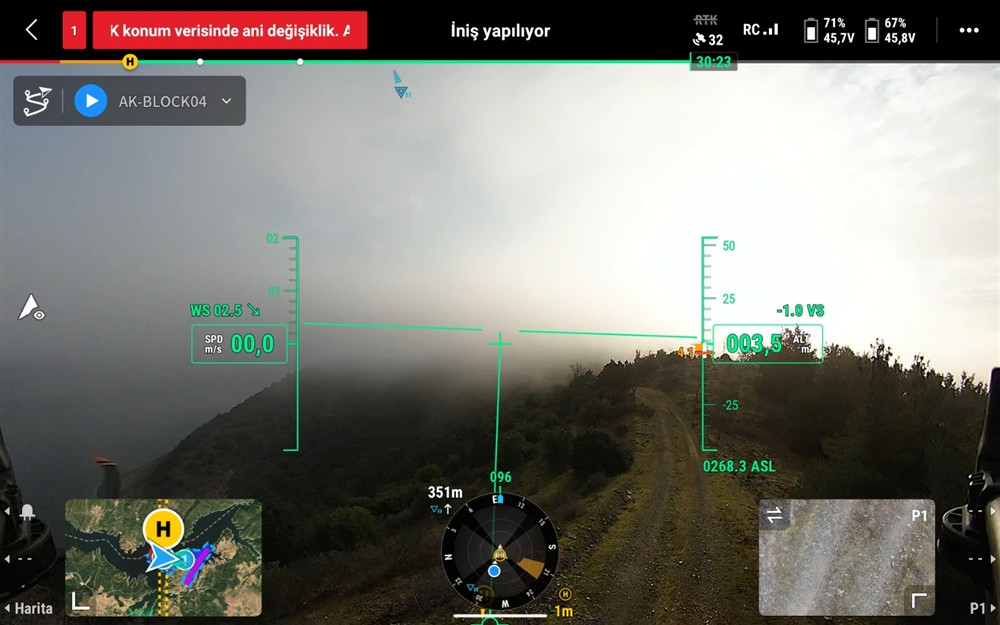
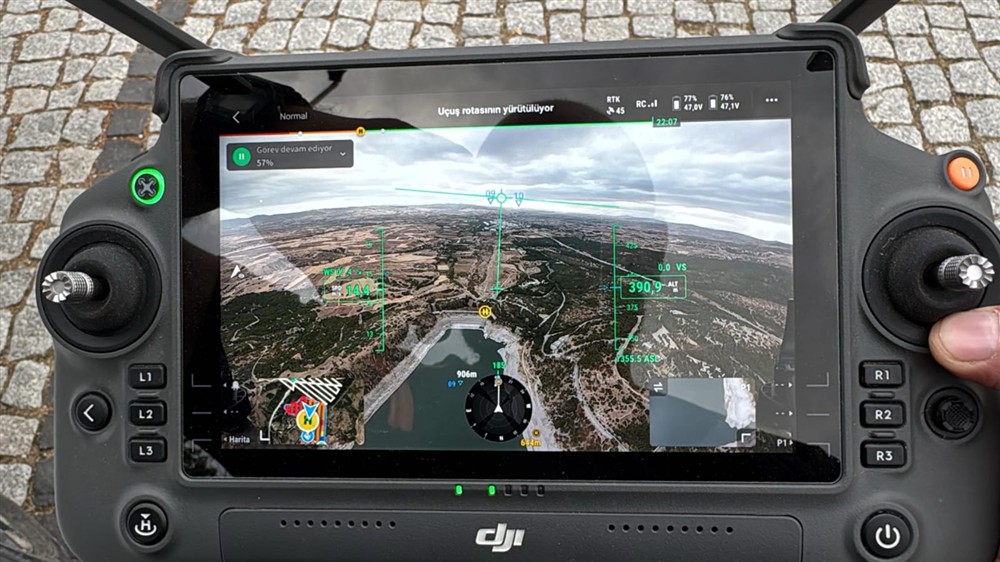
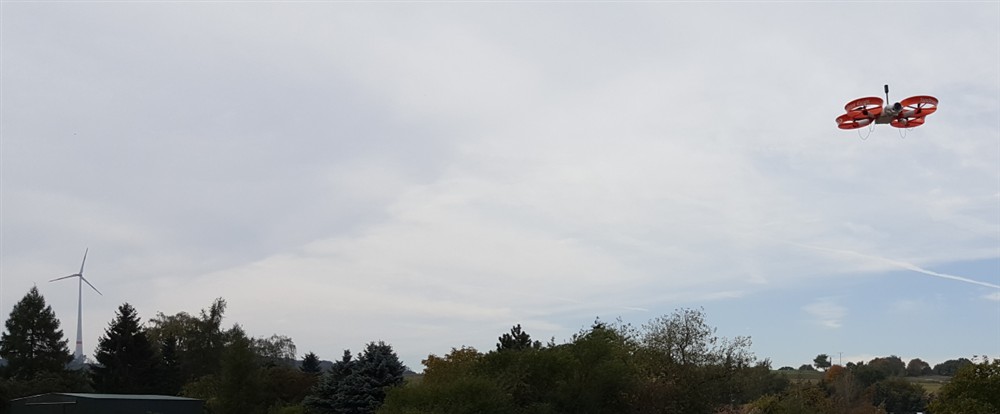
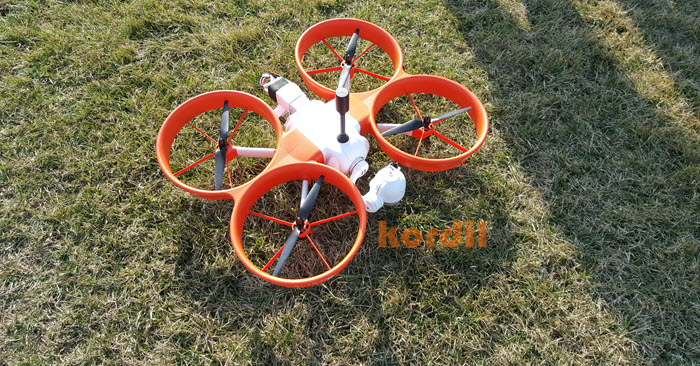
We relate overlapping drone photographs to ground control measurements to prepare photogrammetric maps, orthophotos and 3D models. Flight height, image overlap and the distribution of control points are planned around terrain conditions and the required level of detail.
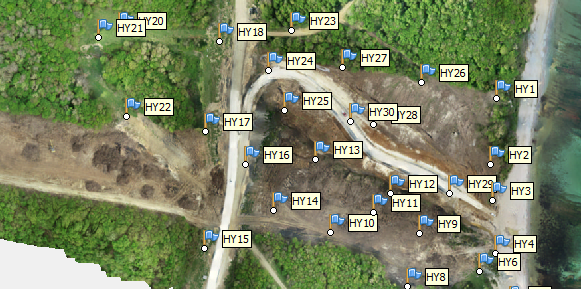
For the TurkStream Project, Kordil produced photogrammetric maps and orthophotos of the Kıyıköy landfall area in Kırklareli on different dates. These datasets supported project calculations and site assessments.
Terrestrial and Close-Range Photogrammetry
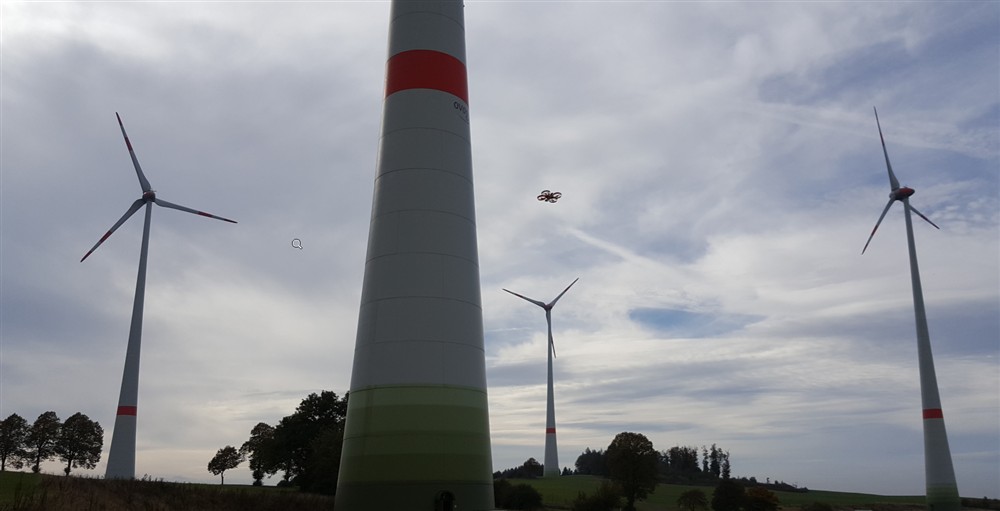
We document the geometry of historic structures, buildings and objects from photographs to support conservation, restoration and modelling. Terrestrial photographs are assessed alongside drone imagery and geodetic measurements to record the existing condition of historic sites, streets and other built environments.
Ground Control and Aerial Triangulation
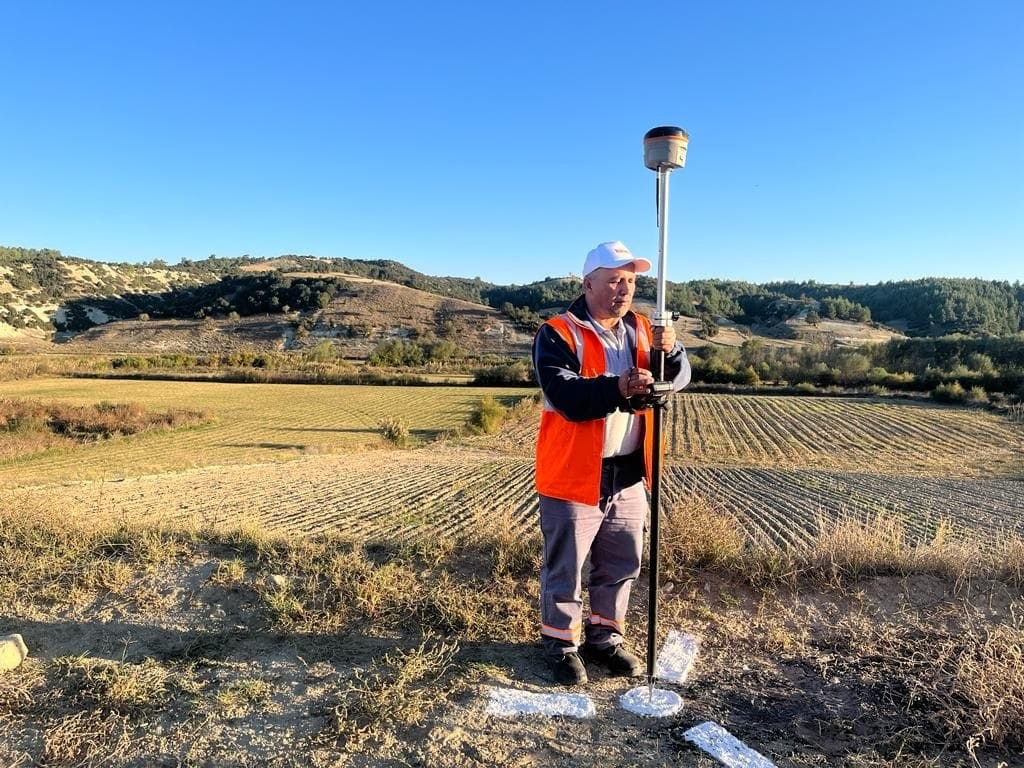
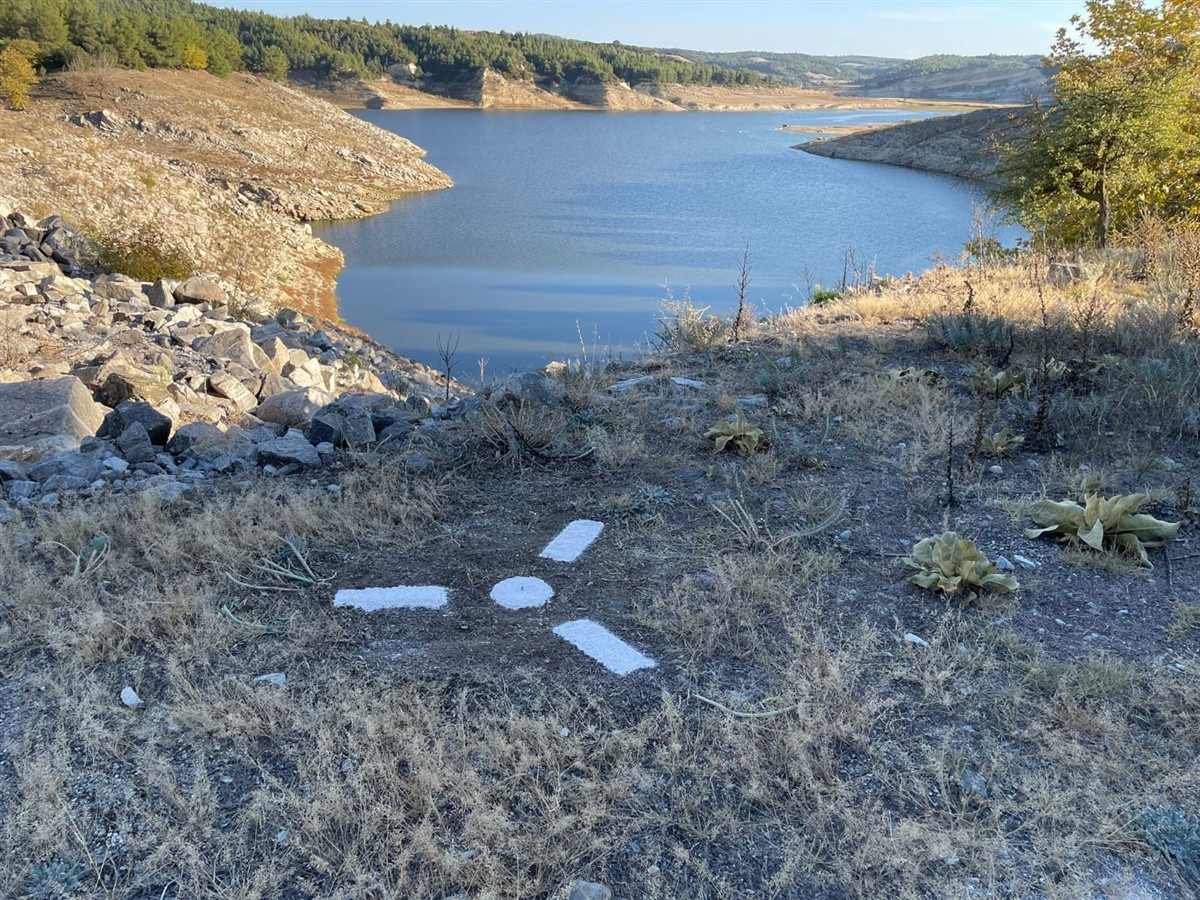
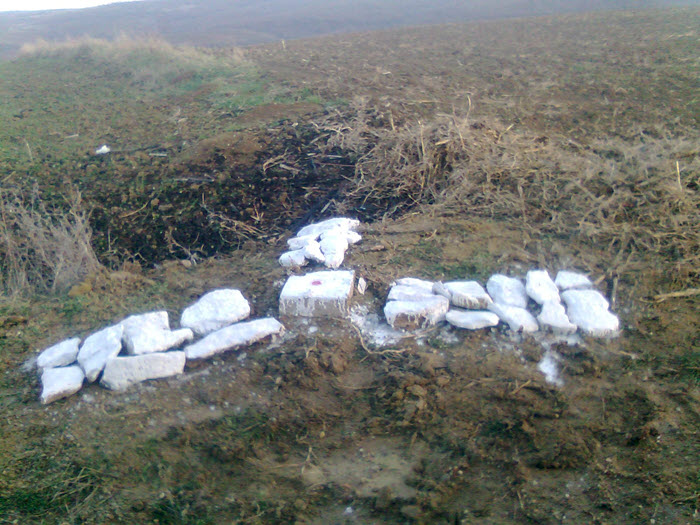
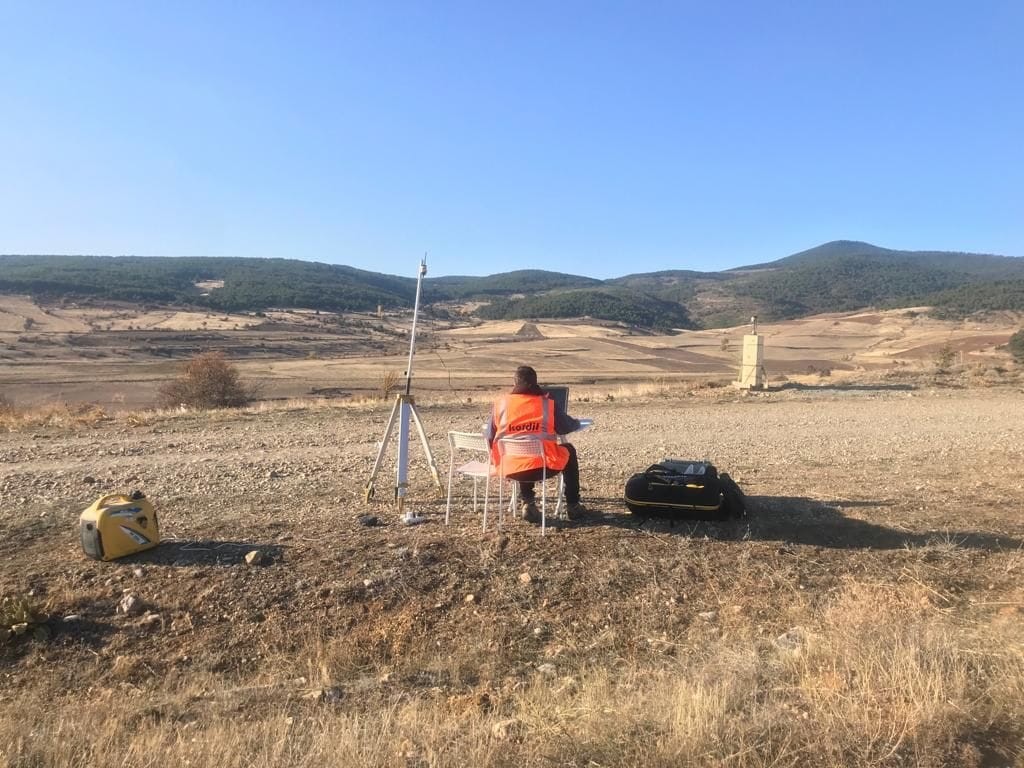
We establish ground control points, measure their coordinates and mark them so they can be identified in photographs. Aerial triangulation determines image orientation parameters and prepares the photographs for mapping and point cloud production.
Control measurements connect the imagery to the project coordinate system and support accuracy checks. The number and distribution of points are planned according to the survey area and project requirements.
Aerial Photogrammetry
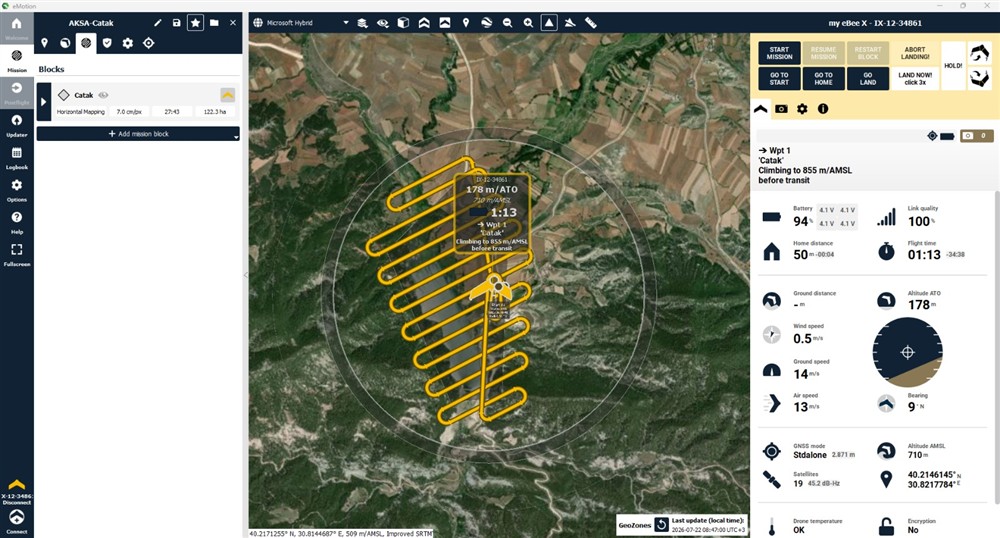
For mapping large areas, we coordinate photogrammetric flights, ground control and data processing. Where maps are submitted to public authorities, we review the technical specification, deliverables and approval process at the outset.
Photoplan
Single photographs without stereo coverage can be georeferenced using suitable control points and transformation methods to create photoplans for planning and comparison. Historic aerial photographs and satellite images can help examine past land use and provide supporting material for technical records.
Achievable accuracy depends on image quality, terrain and control data. Where greater accuracy is required, suitable methods include stereo evaluation and orthophoto production using an appropriate terrain model.
Orthophotos
We correct geometric effects caused by perspective and terrain elevation using image orientation data and a digital model to produce georeferenced orthophoto maps. Orthophotos combine a photographic view of the terrain with a map reference.
Used beneath vector mapping, they help teams interpret buildings, roads and terrain features. They provide a visual base for planning, existing-condition assessments and comparisons between survey dates.
Digital Terrain Models and 3D Modelling
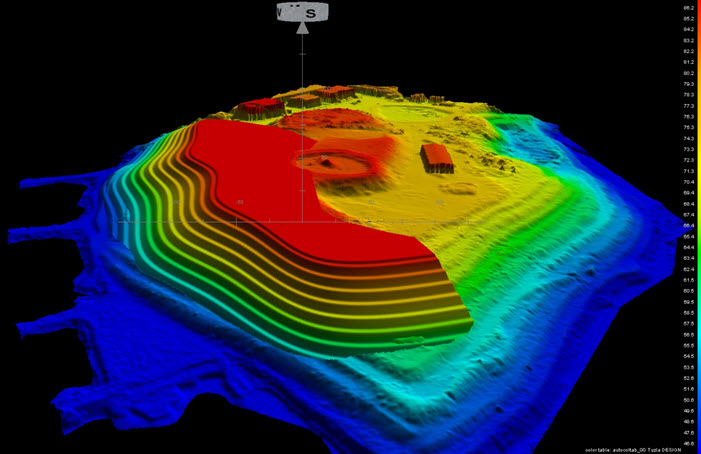
We generate point clouds and three-dimensional surface models from overlapping photographs. Depending on project requirements, terrain points can be assessed to prepare digital terrain models, contours and sections. Close-range photogrammetry supports textured 3D models of buildings and objects.
Model resolution, coordinate system and delivery formats are agreed before work begins. Where required, photogrammetric datasets are assessed alongside land surveying and LiDAR data.
Subsea Photogrammetry
Kordil also uses underwater photographs and video to create 3D models of subsea objects and seabed features. Image capture, scale references and processing are planned around underwater visibility, object geometry and the required deliverables.
Our Photogrammetry Experience
Our photogrammetric mapping and orthophoto work covers projects in Muğla, İstanbul, İzmir, Kırklareli, Rize, Ordu, Edirne, Samsun, Isparta and Eskişehir, among other locations.
Some members of our team worked at every stage of the İstanbul and İzmir metropolitan-area and İstanbul water-basin mapping projects undertaken by EMİ Harita in 1995–1998. The work covered approximately 1,400 km² in İstanbul and 380 km² in İzmir, producing around 10,000 map sheets at 1:1,000 scale and orthophotos at scales from 1:1,000 to 1:25,000. The İstanbul datasets contributed to the city's information system infrastructure.
To share your survey area, intended use and required deliverables, get in touch with our team.